 delishing
How to Cook Pork Loin: 4 Expert Methods for a Perfect Roast

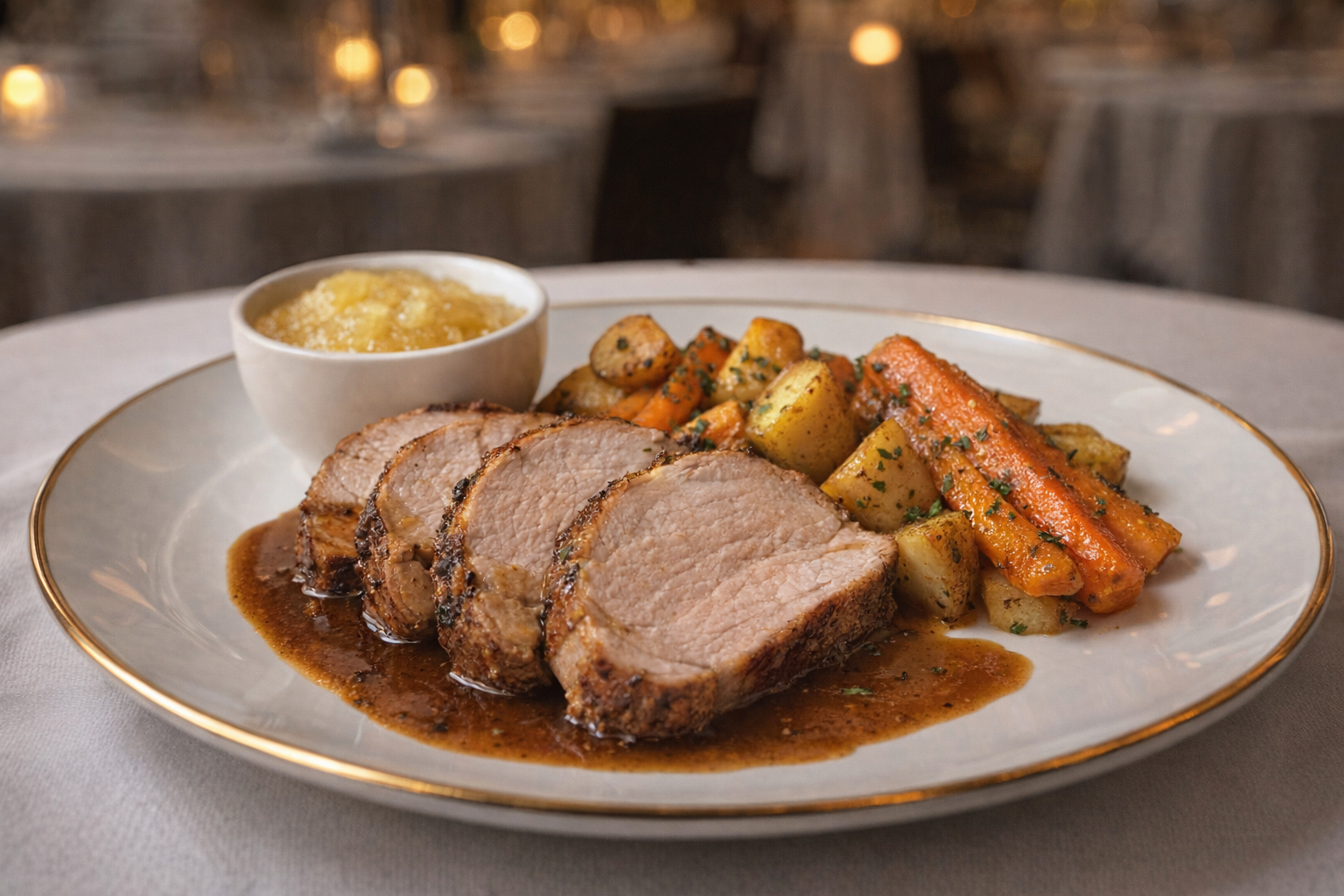
Pork loin is often overlooked, but it's a fantastic cut for weeknight dinners or special occasions. With its mild flavor and lean profile, it's a blank canvas that takes well to various seasonings and cooking methods. From a simple oven roast to a smoky grill, mastering pork loin unlocks a world of delicious possibilities. The key is to cook it properly to maintain its moisture and prevent it from drying out.
This guide provides four distinct cooking methods, each designed to bring out the best in this versatile cut. We'll delve into the details of each technique, highlighting the nuances that ensure a tender, juicy, and flavorful pork loin every time. Whether you prefer the hands-off approach of a slow cooker or the rapid crisping of an air fryer, we've got you covered.
Understanding Pork Loin
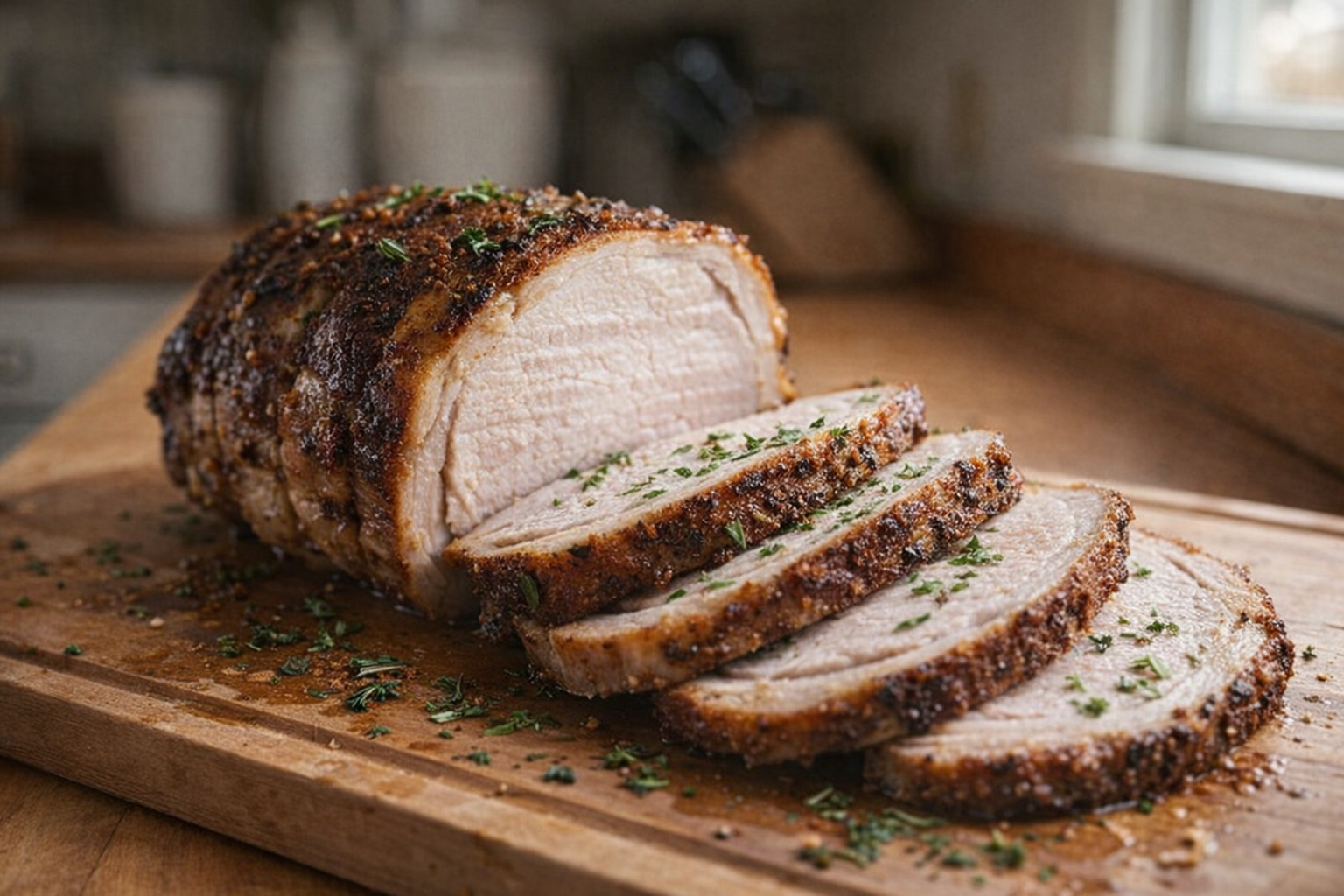
When shopping for pork loin, it's crucial to distinguish it from pork tenderloin. Pork loin is a wider, thicker cut, typically 2-4 pounds, cut from the back of the pig. It's sold boneless or bone-in. The boneless version is easier to slice and carve. Look for a roast with good marbling, which indicates more intramuscular fat and will result in a more flavorful and moist roast. Avoid roasts that appear pale or have excessive amounts of external fat, as this can lead to a greasy final product.
Varieties to Consider:
- Boneless Pork Loin Roast: Versatile and easy to slice. Ideal for even cooking.
- Center-Cut Pork Loin Roast: The most uniform part of the loin, offering consistent thickness.
- Pork Loin Rib Roast (Bone-In): More flavorful due to the bone, but requires careful carving.
Why Cook Pork Loin This Way?
- Versatility: Pork loin adapts to various flavor profiles, from sweet and savory to spicy and tangy.
- Flavor: When cooked correctly, it delivers a delicate pork flavor that's enhanced by seasonings and cooking methods.
- Convenience: Suitable for both quick weeknight meals and leisurely weekend cooking projects.
Preparation (Mise en Place)
Before cooking, trim any excess silver skin from the pork loin. This tough membrane can prevent seasonings from penetrating the meat. Pat the roast dry with paper towels; this helps create a beautiful sear. If brining, allow ample time for the pork to absorb the flavors (refer to specific method instructions).
Essential Tools:
- Cast Iron Skillet: For searing the pork loin; it provides excellent heat retention and even browning.
- Roasting Pan: Needed for oven-roasting. A rack inside the pan elevates the pork, allowing for even air circulation.
- Meat Thermometer: Essential for ensuring the pork reaches a safe internal temperature of 145°F (63°C).
- Sharp Knife: For trimming and slicing the cooked pork loin.
The Cooking Methods
We will explore four different cooking methods for pork loin, each with its unique approach to delivering a delicious and perfectly cooked roast.
Oven Roast Method
The oven roast is a classic, reliable technique for cooking pork loin. It's relatively hands-free and allows for even cooking. Roasting alongside vegetables creates a complete meal in one pan.
Ingredients
- 3-4 pounds pork loin roast (NOT pork tenderloin)
- 4 tablespoons unsalted butter
- 1/2 cup kosher salt or ¼ cup table salt
- 1/2 cup light brown sugar
- 1/4 cup apple cider vinegar
- 2 tsp paprika
- 2 tsp garlic powder
- 1 tsp onion powder
- 1 tsp chili powder
- Salt and Pepper to taste
Instructions
- Brine the Pork: In a large bowl, dissolve the kosher salt (or table salt), apple cider vinegar, and brown sugar in 4 cups of warm water. Place the pork loin in a large resealable bag or container and pour the brine over it, ensuring the pork is fully submerged. Refrigerate for at least 90 minutes, or up to 24 hours.
- Prepare the Dry Rub: In a small bowl, combine the paprika, garlic powder, onion powder, chili powder, and pepper. Omit additional salt if you brined the pork.
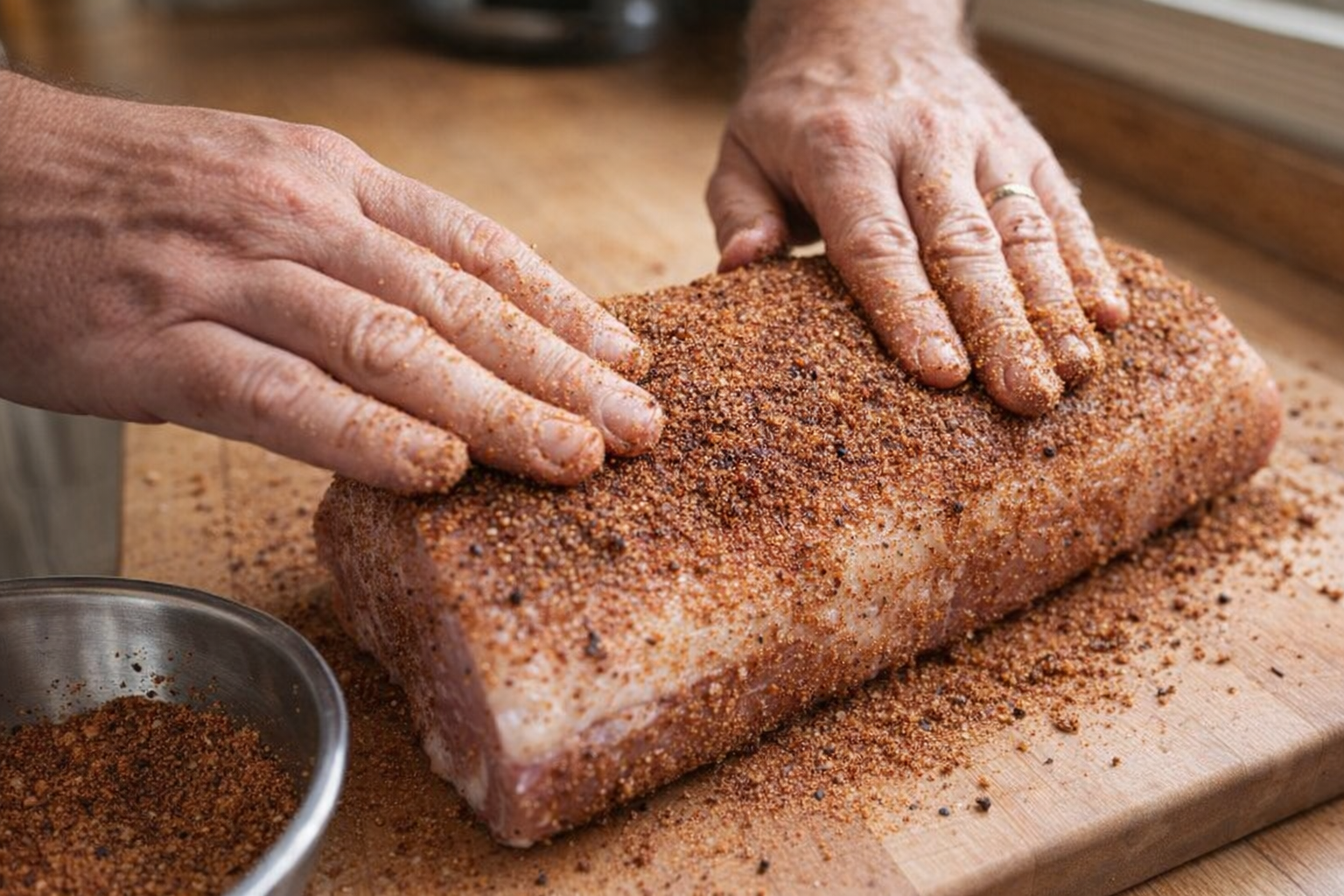
- Season the Pork: Remove the pork from the brine and pat it thoroughly dry with paper towels. Massage the dry rub all over the pork loin, ensuring every surface is evenly coated. Let it rest at room temperature for 30 minutes.
- Sear the Pork: Heat a cast iron skillet over medium-high heat. Add the unsalted butter (or vegetable oil) and let it melt. Once the butter is shimmering and hot, carefully place the pork loin in the skillet. Sear on all sides for 2-3 minutes per side, pressing gently to create good contact with the pan. The pork should develop a rich, golden-brown crust.
- Roast the Pork: Transfer the seared pork to a foil-lined baking sheet with the fat side up. Brush the top with melted butter to help retain moisture. Cover the pork loosely with another sheet of foil.
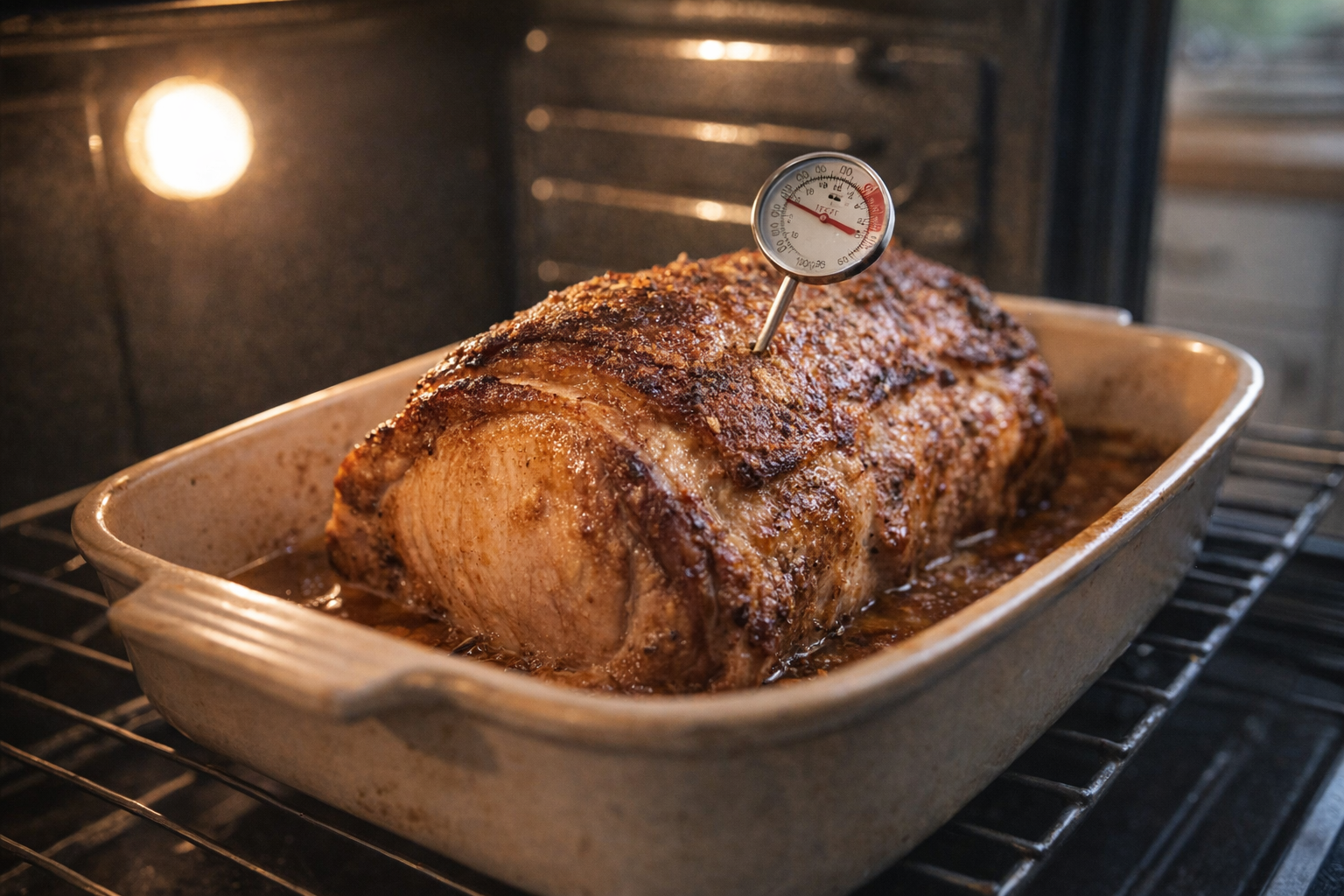
- Bake the Pork: Roast in a preheated oven at 325°F (163°C) for 60-75 minutes, or until the thickest part of the pork registers 145°F (62.5°C) on a meat thermometer. Adjust cooking time based on the size of the pork loin.
- Rest and Serve: Remove the pork from the oven and remove the foil. Baste the meat with any accumulated juices from the baking sheet. Let the pork rest for 15 minutes before slicing against the grain. Top with your favorite BBQ sauce or sweet and sour sauce.
Slow Cooking Method
The slow cooker method is perfect for busy cooks. It requires minimal hands-on time and results in incredibly tender and juicy pork. The low, slow cooking process breaks down the connective tissues, creating a melt-in-your-mouth texture.
Ingredients
- 2 lbs pork loin
- 2 cups barbecue sauce
- 1 tbsp Dijon mustard
- 2 tbsp chili powder
Instructions
- Prepare the Sauce: In a bowl, combine the barbecue sauce, Dijon mustard, chili powder, salt, and pepper. Mix well to create a flavorful sauce.
- Season the Pork: Place the pork loin in the slow cooker. Pour the sauce mixture over the pork, ensuring it is thoroughly coated.
- Slow Cook the Pork: Cover the slow cooker and cook on HIGH for 2-2.5 hours or on LOW for 4 hours, or until the pork is fork-tender and reaches an internal temperature of 145°F (63°C).
- Rest and Serve: Remove the pork from the slow cooker and let it rest for 10 minutes before slicing. Serve with the sauce from the slow cooker.
Air Frying Method
Air frying is a quick and convenient way to cook pork loin, producing a crispy exterior and a juicy interior. The high heat and circulating air create a similar effect to deep frying but with significantly less oil.
Ingredients
- 3 lbs. pork loin
- 1/2 tsp salt
- 1/2 tsp poultry seasoning
- Oil
Instructions
- Prepare the Pork: Trim any excess fat from the pork loin. Season the pork loin with salt and poultry seasoning on all sides.
- Air Fry the Pork: Spray the air fryer basket with oil and preheat to 370°F (188°C). Place the seasoned pork loin in the air fryer basket.
- Cook the Pork: Cook for 40-45 minutes, or until the internal temperature reaches 145°F (63°C) and the exterior is dark brown.
- Rest and Serve: Let the pork loin rest for 15 minutes before slicing and serving.
Grilling Method
Grilling pork loin adds a smoky flavor that elevates the dish. Using a reverse sear technique ensures a crispy exterior and a perfectly cooked interior. This method requires careful attention to temperature control, but the results are well worth the effort.
Ingredients
- 1/2 cup brown sugar
- 2 tbsp. smoked paprika
- 2 tbsp. salt
- 1½ tsp. ground black pepper
- 1 tsp. garlic powder
- 1 (3 – 4 lb.) pork loin
Instructions
- Prepare the Dry Rub: In a mixing bowl, combine the brown sugar, smoked paprika, salt, black pepper, and garlic powder.
- Season the Pork: Pat the pork loin dry with paper towels. Generously rub the dry rub all over the pork loin, ensuring it is evenly coated.
- Prepare the Grill: Set up your grill for indirect cooking with hot and cold spots. If using a gas grill, set one burner to medium-high heat and leave the other off. If using a charcoal grill, arrange the charcoal to create hot and cold zones. Spray the grates with oil to prevent sticking.
- Cook the Pork (Indirect Heat): Place the seasoned pork loin on the cold spot of the grill. Cook for about an hour, or until the internal temperature reaches 135°F (57°C).
- Reverse Sear (Direct Heat): Move the pork loin to the hot spot of the grill and sear on all sides for 2-3 minutes per side, until a crispy, brown crust forms.
- Rest and Serve: Remove the pork loin from the grill and cover it loosely with foil. Let it rest for 5 minutes before slicing and serving.
Cooking Time & Doneness Guide
The key to a perfectly cooked pork loin is to monitor its internal temperature. Use a meat thermometer inserted into the thickest part of the roast, avoiding bone. Pork is considered safe to eat at 145°F (63°C), followed by a 3-minute rest.
- Medium-Rare: 140-145°F (60-63°C) - Slightly pink center.
- Medium: 145-150°F (63-66°C) - Barely any pink.
- Medium-Well: 150-155°F (66-68°C) - No pink.
- Well-Done: 155°F+ (68°C+) - Not recommended, as the pork will be dry.
Visual Cues: If you don't have a thermometer, you can check for doneness by piercing the pork with a fork. If the juices run clear, it's likely cooked through. However, a thermometer is the most reliable way to ensure safe and delicious results.
Tips for Perfection
- Don't Overcook: Pork loin is lean and can become dry if overcooked. Use a meat thermometer to avoid this.
- Rest the Meat: Allowing the pork to rest after cooking allows the juices to redistribute, resulting in a more tender and flavorful roast.
- Sear for Flavor: Searing the pork loin before roasting or grilling adds a delicious crust and enhances the overall flavor.
- Brine for Moisture: Brining the pork loin helps retain moisture during cooking, preventing it from drying out.
Storage & Reheating
Store leftover pork loin in an airtight container in the refrigerator for up to 3-4 days. To reheat, slice the pork and gently warm it in a skillet with a little broth or gravy to prevent it from drying out. You can also reheat it in the oven at a low temperature (250°F/120°C) wrapped in foil.
Serving Suggestions
Pork loin is incredibly versatile and pairs well with a variety of sides. Here are a few ideas:
- Roasted Vegetables: Roast root vegetables like carrots, potatoes, and parsnips alongside the pork for a complete meal.
- Mashed Potatoes: Creamy mashed potatoes are a classic pairing with pork loin.
- Apple Sauce: The sweetness of apple sauce complements the savory flavor of pork.
- Salad: A fresh green salad provides a light and refreshing counterpoint to the richness of the pork.
💡 Pro Tips
- Remove the pork loin from the heat once it reaches an internal temperature of 145°F to prevent the lean meat from drying out.
- Allow the roast to rest for 10 to 15 minutes before carving so the internal juices can redistribute for a more tender result.
- Sear the exterior of the pork in a hot pan with oil before finishing it in the oven to develop a rich, caramelized crust.
- Season the meat generously with salt and herbs at least 30 minutes ahead of time to enhance its mild flavor profile.
- Always slice the cooked loin across the muscle fibers to break up the grain and achieve maximum tenderness in every serving.
Frequently Asked Questions
The key is to avoid overcooking it. Use a meat thermometer to ensure the internal temperature reaches 145°F (63°C) and consider searing the pork loin before roasting to lock in moisture. Brining the pork loin beforehand can also help retain moisture during cooking.
No, pork tenderloin and pork loin are different cuts and require different cooking times. Pork tenderloin is much smaller and leaner, so it will cook much faster and is more prone to drying out if cooked using methods designed for pork loin.
Properly stored cooked pork loin can last for 3-4 days in the refrigerator. Make sure to wrap it tightly in plastic wrap or store it in an airtight container to prevent it from drying out and absorbing odors from the fridge.
Yes, you can use another heavy-bottomed skillet made of stainless steel or another material that can withstand high heat. The goal is to achieve a good sear, so ensure the pan is hot before adding the pork loin.